Clothing
The directory
Products Made in Canada – Made in Canada Directory
Canadian brands that design and make their products here, sorted by what you need.
How this directory works
Real makers, checked one by one
In short
The Inspiring Canadians directory lists 494 Canadian brands that make their products in Canada, in 12 categories and 12 provinces and territories. Every listing is checked against the brand's own information before it is published.
The Made in Canada directory is a growing list of Canadian brands that make products here, from clothing and food to furniture, skincare and gear for the outdoors. Each listing is checked against the brand's own information, such as its website, product pages or packaging, to confirm that it makes products in Canada. Some brands also sell imported lines, so it is worth checking the specific item you want. If you know a maker we have missed, you can suggest a brand.
Buying Canadian is not about paying extra for a maple leaf on the box. When something is made here, more of what you spend goes to wages in Canadian workshops, farms and factories. Goods usually travel a shorter distance to reach you, and when a zipper fails or a part wears out, the company that made it is in the same country, which tends to make repairs, replacement parts and warranty questions simpler.
- Canadian brands
- 494
- Categories
- 12
- Provinces and territories
- 12
The directory
Shop by category
-
 01
Clothing
51 Canadian brands
Franc · Devlyn van Loon · OKAYOK
-
 02
Eco-Friendly Products
49 Canadian brands
Coghlan's · Mint Cleaning · Bottle None
-
 03
Food & Beverage
62 Canadian brands
Lassonde Industries · Big Rock Brewery · Righteous Gelato
-
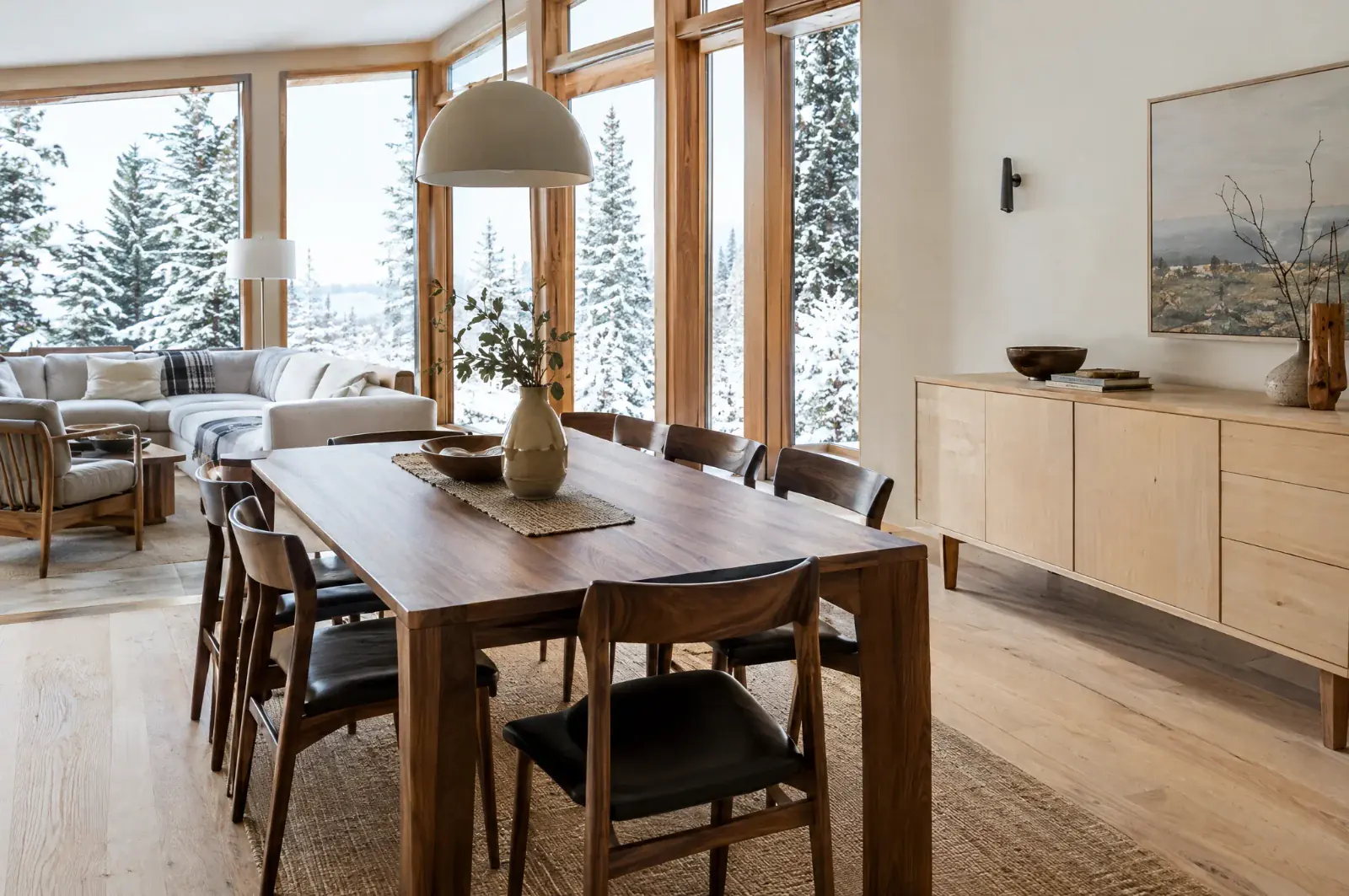 04
Furniture
40 Canadian brands
Bermex · Palliser · Inscapes Design Studio
-
 05
Home & Kitchen
30 Canadian brands
-
 06
Kids & Baby
39 Canadian brands
-
 07
Outdoor & Footwear
34 Canadian brands
-
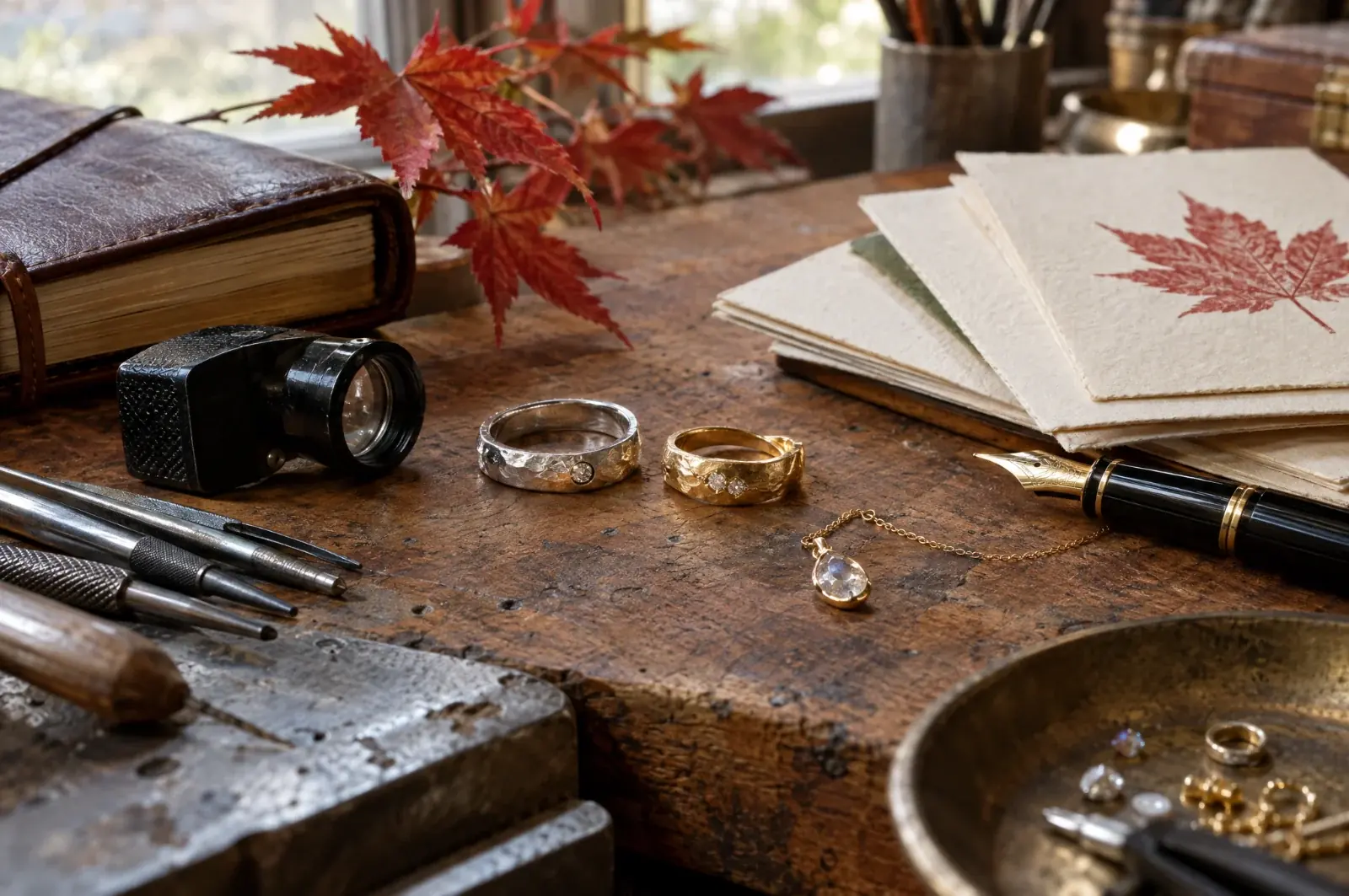 08
Jewelry, Gifts & Stationery
20 Canadian brands
-
 09
Pet Products
40 Canadian brands
Harlow Blend · Go! Solutions · Baie Run
-
 10
Personal Care
44 Canadian brands
Green Cricket · Amoda Wellness · Skin Essence Organics
-
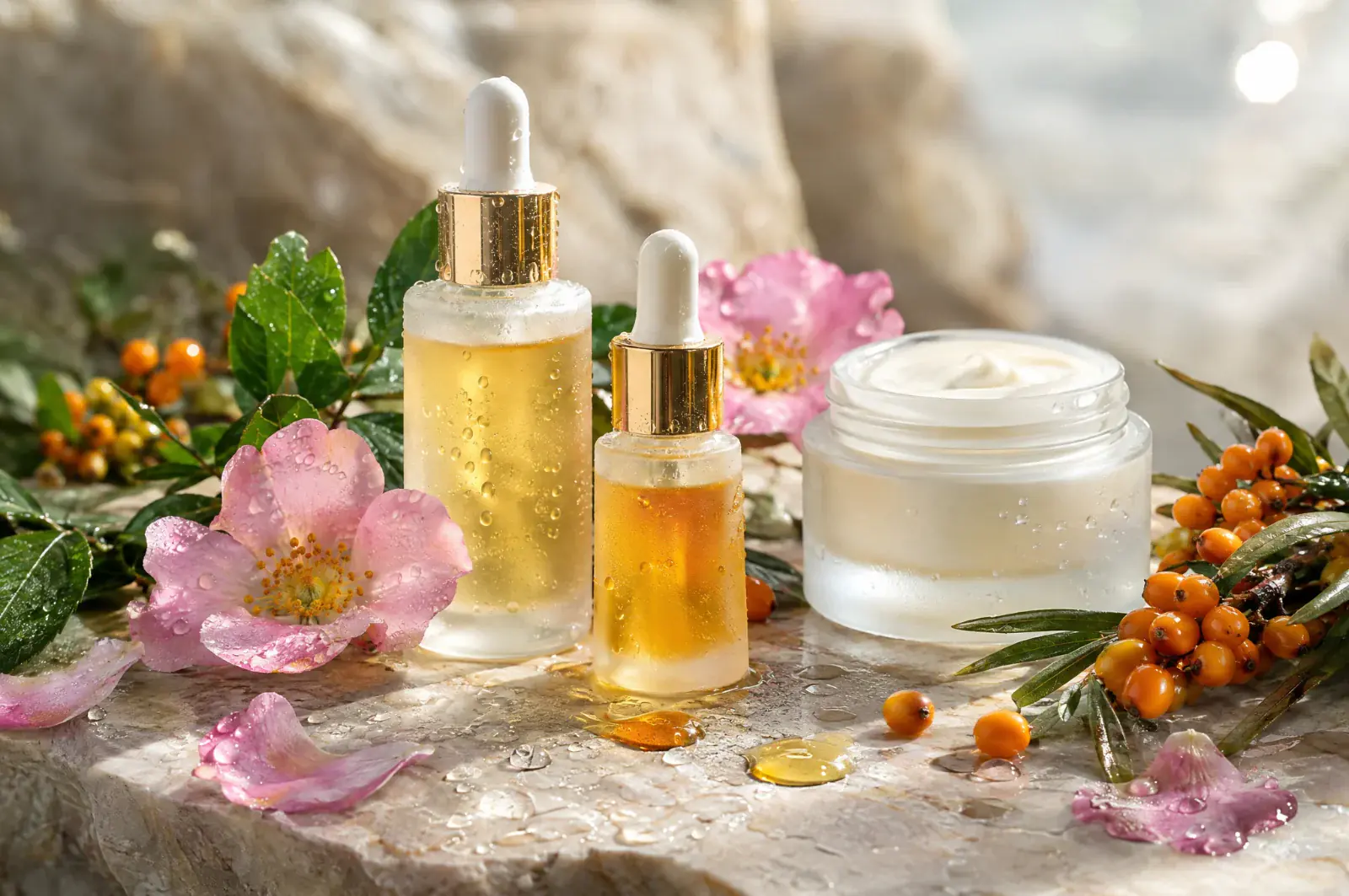 11
Skincare
48 Canadian brands
LOA Skin · F. Miller Skincare · Green Beaver
-
 12
Sports Products
41 Canadian brands
Icebreaker Blades · Balmoral Sportswear · Spud Inc.
- Every brand, A to Z 494 listings, one page
Close to home
Browse by province
Find makers near you, or pick a gift from somewhere you love.
- Alberta35 Canadian brands
- British Columbia105 Canadian brands
- Manitoba18 Canadian brands
- New Brunswick11 Canadian brands
- Newfoundland and Labrador6 Canadian brands
- Nova Scotia20 Canadian brands
- Northwest Territories1 Canadian brands
- Ontario176 Canadian brands
- Prince Edward Island5 Canadian brands
- Quebec103 Canadian brands
- Saskatchewan9 Canadian brands
- Yukon1 Canadian brands
New
Recently added brands
Read the label
What the labels really mean
Four phrases you will see on packaging, and what each one promises.
This is the strongest origin claim. For most non-food products, the Competition Bureau's guideline is that at least 98% of the total direct costs of producing or manufacturing the item were incurred in Canada, and the last substantial transformation happened here. For food, the CFIA says all or virtually all of the major ingredients, processing and labour must be Canadian. Small amounts of ingredients like spices, vitamins or vanilla, generally under 2% of the product, are allowed.
For non-food products, the Competition Bureau's guideline is that at least 51% of the total direct costs of production or manufacturing were incurred in Canada, the last substantial transformation happened here, and the claim comes with a qualifying statement such as "Made in Canada with imported parts." So the item can contain foreign materials, but the main work that turned them into the finished product was done in Canada.
On food, every "Made in Canada" claim must carry a qualifier. "Made in Canada from imported ingredients" means the food was substantially transformed here, for example mixed and baked into a new product, but its ingredients came from other countries. "Made in Canada from domestic and imported ingredients" means the ingredients were a mix of Canadian and foreign. In both cases Canadians made the food, but the farm side may not be Canadian.
This means the design work, such as the concept, patterns or engineering, happened in Canada. It says nothing about where the product was manufactured, and many items labelled this way are made in other countries. The Competition Bureau suggests terms like "Designed in Canada" or "Assembled in Canada" for products that do not meet its Made in Canada guideline. It is honest, useful information, but it is not a Made in Canada claim.
Five quick checks before you buy
- 01Read the exact words on the label. "Product of Canada," "Made in Canada with imported parts" and "Designed in Canada" mean very different things.
- 02Do not rely on a maple leaf or red and white packaging. The CFIA points out that a maple leaf does not guarantee a product is Canadian.
- 03Check the product page, not just the brand's About page. Many Canadian companies make some lines here and import others.
- 04On food, look for the qualifier. A "Made in Canada" food claim has to say whether the ingredients are domestic, imported or both.
- 05Ask the company. Where is this item made, which steps happen in Canada, and which parts come from elsewhere? Makers who produce here are usually happy to answer.
Sources: competition-bureau.canada.ca, publications.gc.ca, inspection.canada.ca, inspection.canada.ca
Products Made in Canada – Made in Canada Directory
Frequently asked questions
Who decides whether a product can be called Made in Canada?
For non-food products, the Competition Bureau enforces the laws against false or misleading claims and publishes guidelines for "Product of Canada" and "Made in Canada." It does not approve or certify claims in advance. For food, the Canadian Food Inspection Agency sets out how these claims should be used. In both cases the claims are voluntary, but a company that makes one is expected to meet the guidelines.
Is there an official Made in Canada logo?
No. The CFIA says there is no official logo for Canadian food, and the government does not pre-approve food labels or keep a list of products that qualify. The Competition Bureau does not certify origin claims on other products either. Some industry groups run their own marks, but the words on the label, read carefully, tell you more than any symbol.
Does a maple leaf on the package mean the product is Canadian?
Not necessarily. According to the CFIA, a maple leaf can point to Canadian ingredients, processing or labour, a Canadian company, or a Canadian standard, but it does not guarantee Canadian origin. The Competition Bureau also looks at the overall impression a package gives, including images and colours, so a misleading use of Canadian symbols can raise concerns. Look for the written claim.
What is the difference between Product of Canada and Made in Canada?
"Product of Canada" means almost everything is Canadian: about 98% of direct costs for non-food goods, or virtually all major ingredients, processing and labour for food. "Made in Canada" is a looser claim. The last substantial transformation has to happen here, and for non-food goods at least 51% of direct costs must be Canadian, but it comes with a qualifier because some parts or ingredients are imported.
Does a product have to say where it was made?
Canadian origin claims are voluntary, so a product made here may not say so at all. That is one reason this directory exists. Some imported foods, including dairy, eggs, fish, fresh fruit and vegetables, honey and maple products, meat and wine, must show their country of origin. For everything else, the product page or a quick question to the brand is often the fastest way to know.
What do "Packaged in Canada" or "Prepared for" a store mean?
"Packaged in Canada," "Prepared in Canada" or "Roasted and blended in Canada" describe the step that happened here, and the CFIA notes the ingredients may still be imported. "Prepared for" followed by a retailer's name only tells you who is selling the product. It does not mean the food was prepared in Canada. Treat these as partial information, not as a Made in Canada claim.
How do you decide which brands to list?
We check each brand against its own published information, such as its website, product pages or packaging, for a clear statement that it makes products in Canada. We skip brands that only design here and manufacture elsewhere. A listing is not a government certification, and a brand may also sell imported items, so check the specific product. If something on a listing looks out of date, tell us.
How can I suggest a brand or report a misleading label?
Use the suggest a brand form and include a link to the page where the brand says it makes its products in Canada. That helps us check it quickly. If you think a label itself is misleading, you can contact the company or store first. For food, you can file a complaint with the CFIA. For other products, you can file a complaint with the Competition Bureau.
There are strange things done in the midnight sun
By the men who moil for gold.
Words of Canada
Get featured
Know someone inspiring?
Do you, or someone you know, inspire the people around them? Tell us. Features are free.