Personal Care
Sweet Pea and Lily Soaps
A one woman soap shop in Limoges, east of Ottawa, where maker Liz makes everything by hand in…
Did you know? The Trans-Canada Highway runs about 7,800 km, from St. John’s to Victoria.
Made in Canada
Eat & Drink Local: Explore Food and Beverages Proudly Made in Canada
44 Canadian brands
Before you browse
In short
Inspiring Canadians lists 44 personal care brands that make their products in Canada. They come from 8 provinces and territories, most often Ontario, British Columbia and Alberta. Examples include Nature’s Aid, No Pong, Anointment and The Bath Bomb Co..
Personal care covers soap, deodorant, shampoo, shaving products and other things you use every day. Canada has many small soap and body care makers alongside larger manufacturers, and some products in this aisle, such as sunscreens, are regulated as health products rather than cosmetics.
A one woman soap shop in Limoges, east of Ottawa, where maker Liz makes everything by hand in…
An Ottawa soap shop on Bank Street that makes its bar soaps, shampoo bars, deodorant creams and bath…
An Ottawa Valley soap maker in Eganville that makes cold process bars with either goat's milk from local…
No Pong has made natural deodorant in Canada since 2018, sold in small metal tins you apply with…
An Indigenous owned, women led haircare company in Edmonton that makes solid shampoo and conditioner bars, body wash…
A family haircare company that started in a Vancouver hair salon, led by Marco and Leonardo Redavid. Its…
Launched in Winnipeg in 2015, Beard & Brawn hand makes its grooming products in small batches in Manitoba.…
A Toronto beard care brand that grew out of its founder's search for a better beard routine. Oils,…
Tanya Zurock began making soap for her children's very dry, sensitive skin, and the Edmonton company has been…
Chris and Mary spent years making soap for friends and family before opening Buffaloberry in Regina in 2024.…
Leigh McFarlane started this Eastern Shore company after years of skin trouble she blamed on synthetic ingredients. Bars…
Started in 2018 by mother and daughter Mila and Ada Juristovski, Nala formulates and makes its products in…
A woman-owned deodorant maker in Simcoe County that hand makes its vegan sticks in Innisfil, Ontario. The formula…
A small perfumery on Vancouver Island that blends, ages, filters and bottles every scent on site. The perfumes…
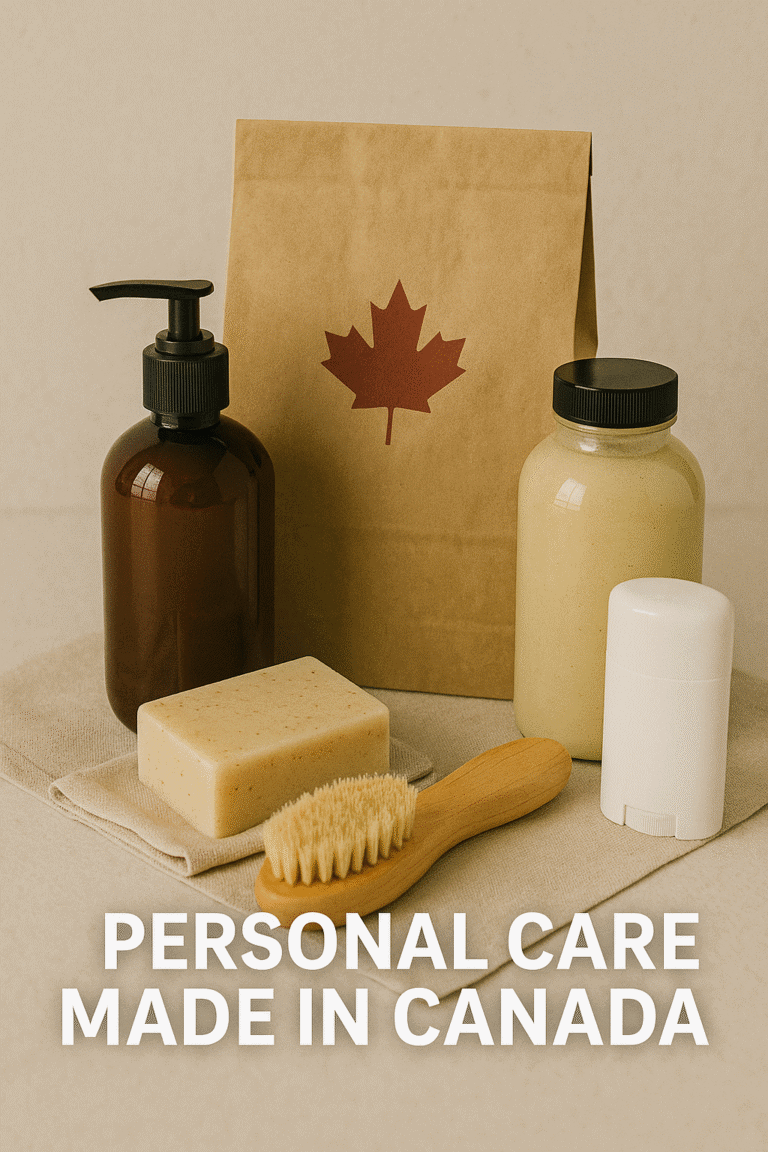
Thentix makes a Canadian-favorite honey-based lotion designed to soothe dry, irritated, or diabetic skin. Known for its healing…
Green Cricket provides family-safe personal care that’s EWG-rated and refill-station friendly. Their made-in-Canada line avoids harsh chemicals and…
Famous for its all-purpose aloe vera gel, Nature’s Aid makes effective, multipurpose personal care formulas in Canada —…
Handmade in the mountains of BC, Element Botanicals offers natural deodorants and body care packed with wild ingredients…
Matter Company uses traditional herbs and botanicals to create gentle personal care. Their product lines serve babies, sensitive…
Known for refillable, fragrance-free home and body care, The Unscented Company offers hypoallergenic, gender-neutral personal products made in…
Escents offers essential oil–based personal care made in Vancouver. Their stress-relief, energy, and sleep lines fuse aromatherapy with…
Happy Hippo crafts fizzy, fun bath products using natural ingredients and essential oils. Based in Alberta, their family-run…
Skin Essence is a certified organic skincare brand handcrafting cold-pressed, highly effective formulations — all made in Canada…
Amoda creates wellness teas and powdered beauty blends infused with adaptogens to support inner and outer glow. Their…
Sudsatorium is a fair-trade organic body care company creating wild and wonderful formulas with fun names, eco packaging,…
Handcrafted in Atlantic Canada, Anointment offers gentle products for mothers, babies, and sensitive skin — all made with…
Oneka is a family-run brand making hair and body products from organic farm-grown herbs in Quebec. Their formulas…
Elate blends beauty and sustainability by offering refillable, cruelty-free, and vegan personal care products in bamboo or compostable…
Lovefresh crafts luxurious, naturally fragranced body care products using clean, safe ingredients. Made in small batches in Toronto…
The Green Kiss blends clean beauty and personal care with high-performance results. Their Canadian-made skincare and cosmetics focus…
Buck Naked makes vegan, sustainable, and beautifully crafted soaps and bath treats. They use shea butter, botanicals, and…
Mellow creates minimalist, cruelty-free body and face care using nutrient-rich oils and botanicals. Their small-batch approach ensures freshness…
Happy offers handmade Canadian bath and body products made with joy and essential oils. Their natural fizzies and…
Clean Kiss makes award-winning aluminum-free deodorants and clean skincare products tailored to active, health-conscious lifestyles — all made…
Wild Hill grows and wild-harvests herbs to create powerful plant-based personal care on Vancouver Island. Their farm-to-face approach…
Consonant offers 100% natural skincare and hygiene products with clinical-grade results. Their Canadian-made line is unscented, EWG-verified, and…
Alberta-based and fun-focused, The Bath Bomb Co. makes colourful, skin-safe bath products loved by families and gift-givers across…
Rocky Mountain Soap Co. creates 100% natural, toxin-free body care products using eco-conscious ingredients and small-batch production in…
Graydon blends superfoods and botanicals into multi-tasking personal care products. Made in Canada with high-performance, eco-conscious formulas.
Druide is one of the pioneers in certified organic personal care in Canada. Their lab in Quebec produces…
BKIND offers vegan, cruelty-free body care products with minimalist packaging. Their mission: kind to skin, animals, and the…
Routine crafts luxury natural deodorants with unique scent profiles and eco packaging. Handcrafted in Calgary with natural ingredients.
Carina Organics has been crafting biodegradable, hypoallergenic personal care since the 1970s. Their products are loved for their…
Green Beaver makes safe, natural personal care products including fluoride-free toothpaste and aluminum-free deodorants — all manufactured in…
Nothing matches those filters. Try clearing one.
Personal Care
Personal care includes anything you use for hygiene, grooming, and body care—like skincare, shampoo, deodorant, toothpaste, shaving cream, and more. If it goes on your body and supports your well-being, it likely fits here.
Yes! Every brand we list manufactures its personal care products in Canada. That means better oversight, higher quality standards, and a smaller environmental footprint.
You’re supporting local jobs, getting products made under strict health and safety standards, and often enjoying fresher, more natural ingredients. It’s good for you—and good for the Canadian economy.
Many are! We highlight brands that use clean, natural, or certified organic ingredients. Each listing includes details so you can shop by what matters most to you—whether it’s fragrance-free, cruelty-free, vegan, or eco-packaged.
A lot of them are specifically formulated for sensitive skin using gentle, plant-based ingredients. You’ll find fragrance-free, hypoallergenic, and dermatologist-tested options across the brands we feature.
Yes. Our listings include products for everyone—men, women, and gender-neutral options. From beard oil to body butter, we’ve got Canadian-made choices for every routine.
Most brands sell directly through their websites, and many are also available in Canadian drugstores, eco shops, and wellness boutiques. We include direct links so you can explore or shop with ease.
Absolutely! We welcome suggestions. If you know of a great Canadian brand making high-quality personal care products, scroll to the bottom of the page and send us a message.
Not in advance. Manufacturers and importers must notify Health Canada within 10 days after they first sell a cosmetic in Canada. Health Canada is clear that this notification is not an approval for sale. The same rule applies whether the product is made in a Canadian kitchen studio or imported from overseas.
A DIN is a Drug Identification Number and an NPN is a Natural Product Number. Health Canada issues them to products it regulates as drugs or natural health products. Every sunscreen approved for sale in Canada must have one or the other, so if a sunscreen has neither, think twice before buying it.
Yes. A brand does not need its own factory. If the product is made at a Canadian facility and meets the Competition Bureau's guideline of at least 51% Canadian direct costs with the last substantial transformation here, it can be called Made in Canada with a qualifier. Ask the brand where its products are produced.
It can mean different things to different brands, so do not rely on the word alone. Read the ingredient list to see what is actually in the product, and ask the maker what they mean by the claim. If you have sensitive skin or allergies, patch test anything new before using it widely.
It varies with the ingredients. Products made with oils and butters and no preservatives can go rancid over time, while water-based products without preservatives can spoil faster. Ask the maker about shelf life, store products away from heat and direct sun, and keep bars dry between uses so they last longer.
Made in Canada
 Clothing51 Canadian brands
 Eco-Friendly Products49 Canadian brands
 Food & Beverage62 Canadian brands
 Furniture40 Canadian brands
 Home & Kitchen30 Canadian brands
 Kids & Baby39 Canadian brands
 Outdoor & Footwear34 Canadian brands
 Jewelry, Gifts & Stationery20 Canadian brands
 Pet Products40 Canadian brands
 Skincare48 Canadian brands
 Sports Products41 Canadian brands
Personal Care
Tell us about a Canadian brand that designs and makes its products in Canada.