Not sponsored. Nobody paid to be featured and there are no affiliate links in this article. We share these links to support Canadian authors, creators, businesses and causes.
As 2026 winds down, it is a good moment to look at who is building things in this country. Over the past year, several Canadian founders have reached big milestones: large funding rounds, major acquisitions, national awards and new products. This list mixes very different companies: a self-driving truck maker, a quantum computer builder, a virtual menopause clinic, an Indigenous-owned meat snack brand, a crop disease test you can carry into a field and more. They come from Toronto, Vancouver, Montreal, Edmonton, St. Catharines, St. John’s, Winnipeg, Saskatoon, Halifax and Burnaby. What they share is a recent, verifiable step forward in 2025 or 2026, and a team that chose to build here. Each entry below links to the reporting behind it.
1. Raquel Urtasun
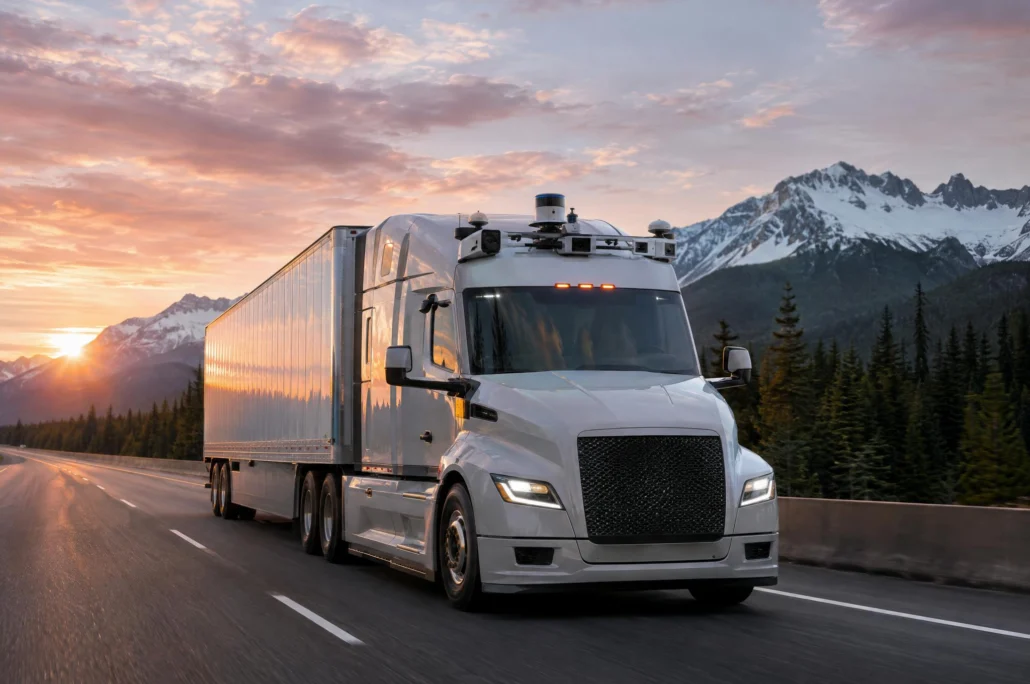
Born in Pamplona, Spain, Raquel Urtasun moved to Canada in 2014 to teach computer science at the University of Toronto, and in 2017 she co-founded the Vector Institute with Geoffrey Hinton. After leading research at Uber’s Advanced Technologies Group, she founded Waabi in Toronto in 2021. The company first trained its AI driver in digital simulations of the real world, and it has tested vehicles on public roads with safety drivers since 2022. In January 2026, Waabi announced US$1 billion in new funding, including a US$750 million Series C co-led by Khosla Ventures and G2 Venture Partners and a milestone-based investment from Uber. As part of the deal, Waabi will roll out its robotaxi system exclusively on the Uber platform, with plans for 25,000 or more robotaxis.
Learn more: Waabi
2. Stephanie Simmons

Stephanie Simmons is co-founder and chief quantum officer of Photonic, a Vancouver company founded in 2016 that builds quantum computers aimed at commercial use. Its design is based on light and uses entanglement to network quantum computers together. In May 2026, Photonic announced the final close of an equity round of more than US$200 million at a post-money valuation of US$2 billion, bringing its total raised to more than US$350 million. CEO Don Mattrick said Canadian investors made up more than half of the round. Photonic takes part in the Canadian Quantum Champions Program and in phase two of DARPA’s Quantum Benchmarking Initiative. It employs about 170 people and plans to pass 200 by next year.
Learn more: Photonic
3. Fiona Lake Waslander and Anna Chif

Both founders of Coral had built companies before. Fiona Lake Waslander, the CEO, has more than 20 years in tech and sold the home renovation company Skylight. Anna Chif, the executive chair, co-founded Dialogue, the virtual care platform Sun Life acquired in 2023. Together they launched Coral in Montreal in 2024 as a virtual clinic for perimenopause, menopause and midlife health. Members complete questionnaires and blood tests, then work with a nurse on a treatment plan, with a wellness coach for ongoing support. After a $4.1 million seed round led by Brightspark, Coral raised another CA$4 million in March 2026, bringing its total to more than $8 million. The money will grow its clinical teams, expand across Canada and build out its AI tools.
Learn more: Coral
4. Brandon Markiw and Ian Gladue
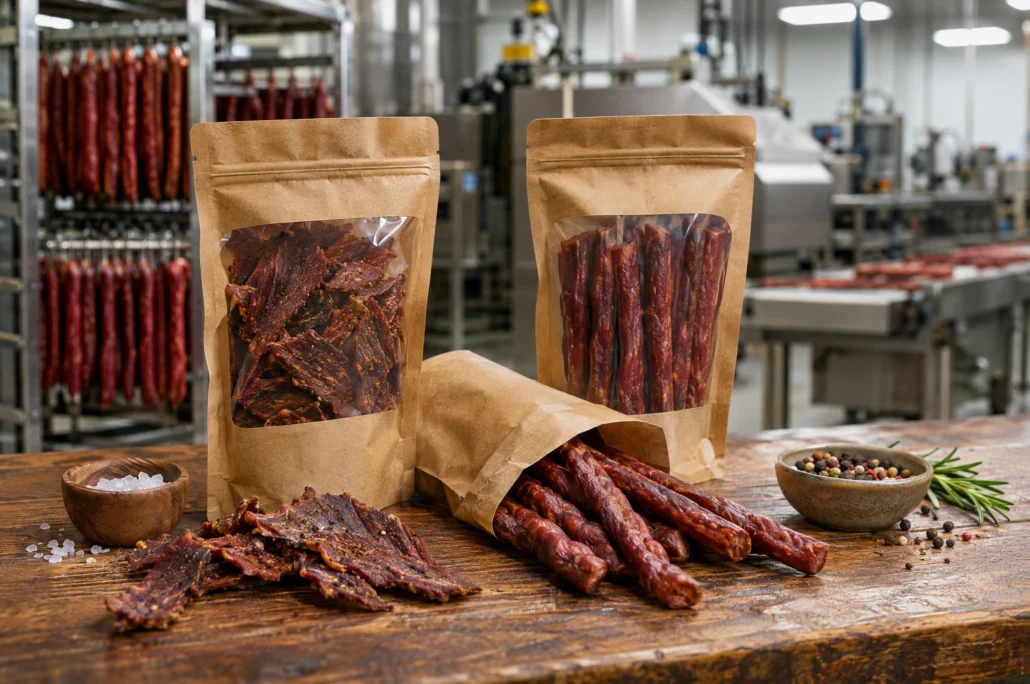
Mitsoh is an Indigenous-owned meat snack company in Edmonton, led by CEO and co-founder Brandon Markiw and co-founder Ian Gladue. Gladue has described where it began: “Mitsoh started as a way for me to reconnect with my family’s food traditions and bring that spirit forward for future generations.” In November 2025, Raven Indigenous Capital Partners, described as North America’s first Indigenous-led and owned impact investment firm, announced a multi-million-dollar growth investment in the company. The plan is to expand manufacturing at the Edmonton facility, strengthen national distribution and add new products. Mike Fata, who helped scale Manitoba Harvest into a $100 million business, joined as board chair, with the goal of taking Mitsoh from regional success to a national household name.
Learn more: Mitsoh
5. Jenn Harper

Jenn Harper, an Ojibwe entrepreneur from Northwest Angle #33 First Nation, launched Cheekbone Beauty in St. Catharines, Ontario, in 2016. She began with white-label manufacturers, then chose to learn formulation, ingredient sourcing and manufacturing herself, with sustainability built into the brand from the start. On Dragons’ Den she turned down an offer that would have meant giving up control, and later partnered with Raven Indigenous Capital Partners instead. Today the brand is sold at Sephora, JCPenney and other retailers. Through its For Future Generations initiative, Cheekbone has funded 50 scholarships for Indigenous students, which Harper calls her proudest accomplishment. In October 2026, BeautyMatter featured the company in its NEXT50 2026 series.
Learn more: Cheekbone Beauty
6. Adam Keating and Jeremy Andrews
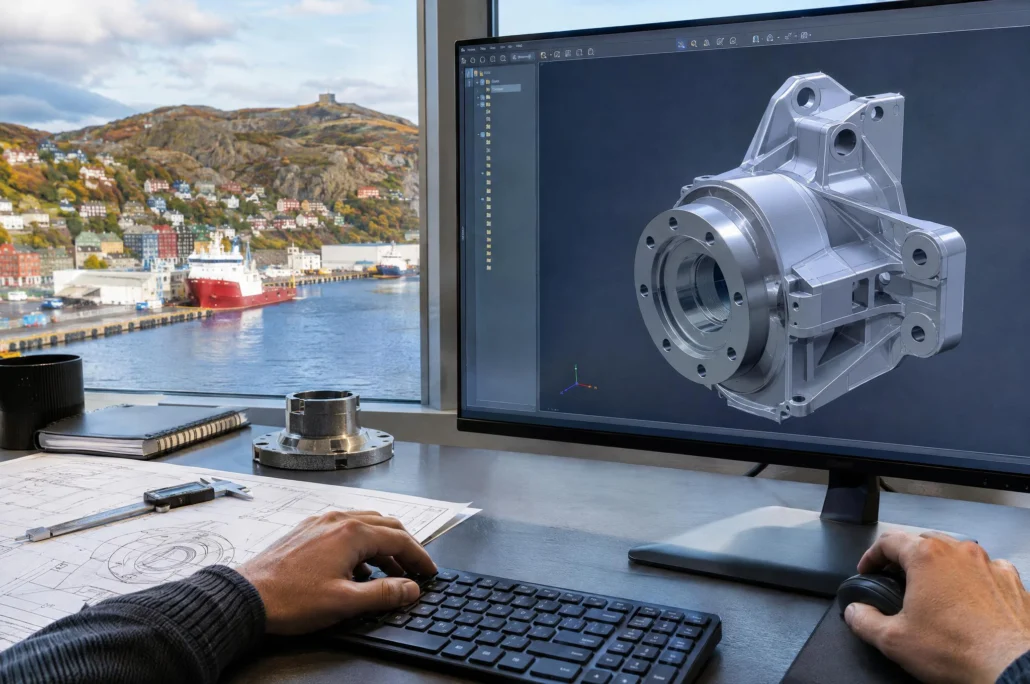
Engineers Adam Keating and Jeremy Andrews founded CoLab in St. John’s, Newfoundland and Labrador, in 2017. Their software helps engineering teams review and collaborate on product designs. In November 2025, CoLab raised US$72 million in a round led by Intrepid Growth Partners, the fund started by former CPP Investments CEO Mark Machin. Insight Partners and Y Combinator each made their third investment in the company. CoLab plans to use the money to build AI tools that speed up engineering design cycles. Florian Villaumé, CEO of the industry association techNL, said he expected CoLab to become one of the “huge drivers of growth” in the province’s tech sector, a strong signal for founders building in Atlantic Canada.
Learn more: CoLab
7. Noah Palansky and Jordan Davis

Noah Palansky (CEO) and Jordan Davis (CTO) run Taiv, a Winnipeg company founded in 2018 that calls itself “the AI OS for business TV.” Taiv gives bars, restaurants and retailers a free device that shows targeted ads and content on the televisions they already have, then shares the ad revenue with the venues. In June 2025, the company raised a US$10.5 million Series A from IDC Ventures, Garage Capital and RBCx. Both co-founders were named to the Forbes 2026 30 Under 30 list in the marketing and advertising category. By the company’s count, Taiv now runs in nearly 5,000 venues and works with more than 150 brands, reaching about 15 million people a month.
Learn more: Taiv
8. Tayab Soomro and Ethan Done
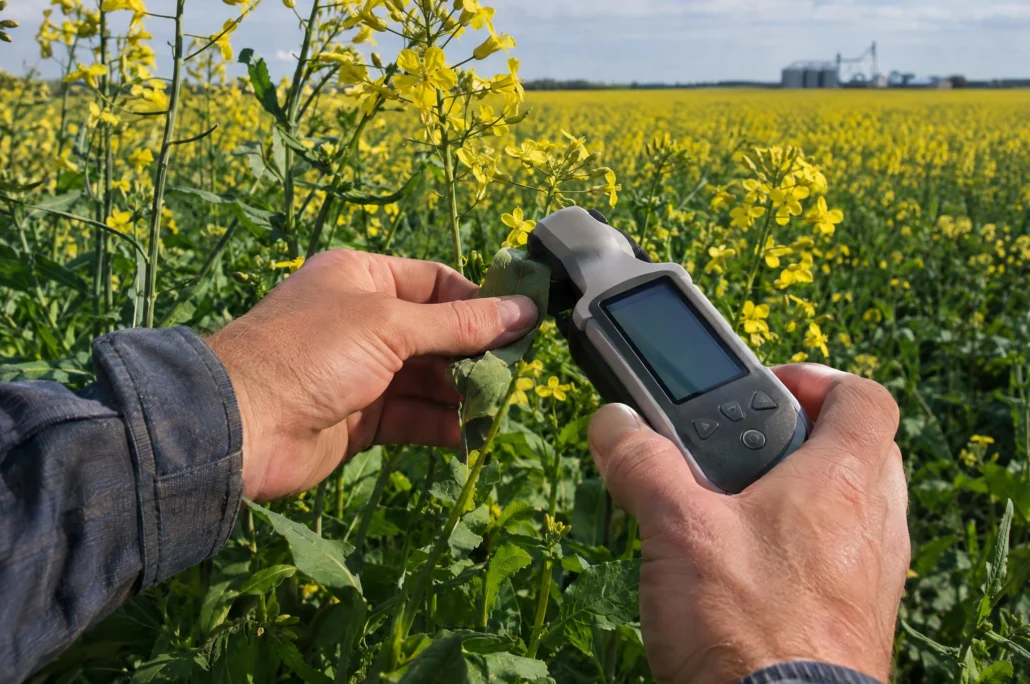
PathoScan Technologies was co-founded in Saskatoon in 2024 by CEO Tayab Soomro and COO Ethan Done. Done came up with the idea as a University of Saskatchewan undergraduate during a government agricultural internship, and he is now doing a PhD there. In May 2026 the company unveiled the PathoBox, a lunchbox-sized device of about one kilogram that tests up to eight plant samples at once for disease-causing pathogens. Results take under two hours instead of the days or weeks a lab can take, which helps farmers decide whether a fungicide is needed. In a pilot on Saskatchewan farms, one producer caught a disease early enough to avoid an estimated $240,000 in yield losses. An AI tool to assess severity is in development.
Learn more: PathoScan
9. Mike Kelland
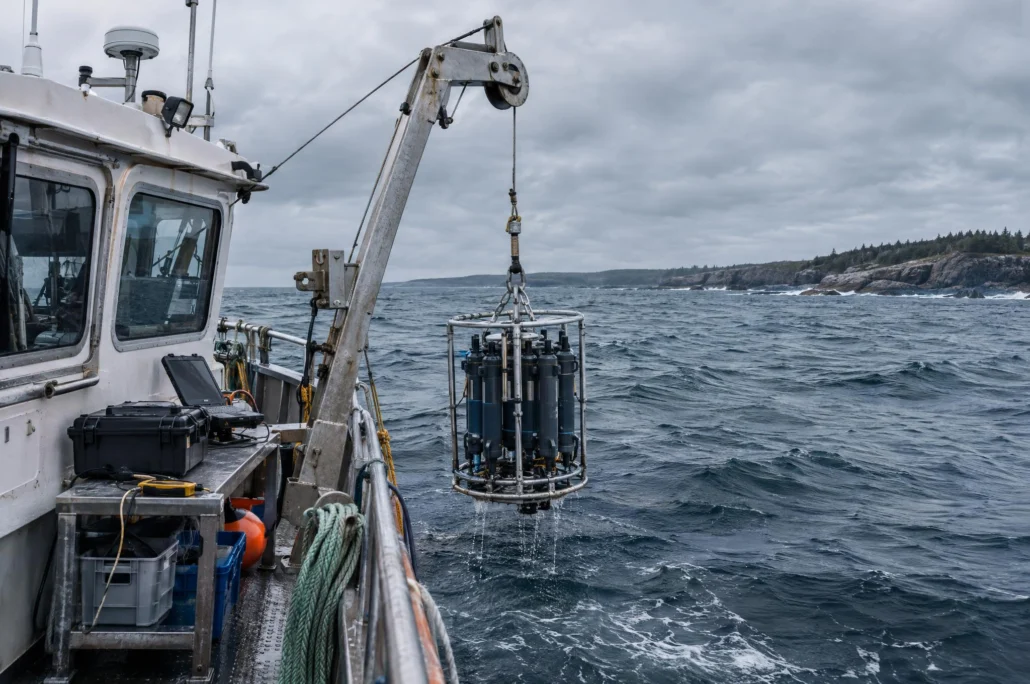
Mike Kelland is CEO of Planetary Technologies, an ocean technology company founded in 2019 with its research and development hub in Halifax. Planetary adds purified alkaline minerals to seawater, which boosts the ocean’s natural ability to absorb carbon dioxide and reduces acidity. In April 2025 it won a $1 million XPRIZE Carbon Removal XFACTOR Award. That August it signed more than $31 million in offtake agreements with Frontier Climate, a buyer launched by firms including Stripe, Alphabet and Shopify, to remove 115,000 tons of carbon dioxide between 2026 and 2030. Kelland said the agreement would show that ocean alkalinity enhancement “can operate safely at scale.” The company has worked with Dalhousie University and the Ocean Frontier Institute to make Halifax a centre for this research.
Learn more: Planetary Technologies
10. Jack Newton

Jack Newton is co-founder and CEO of Clio, the legal software company founded in British Columbia in 2008. In November 2025, Clio completed its US$1 billion purchase of the legal research company vLex, paid in cash and stock. At the same time it raised a US$500 million Series G led by New Enterprise Associates at a post-money valuation of US$5 billion, plus a US$350 million debt facility. Clio says its annual recurring revenue has passed US$400 million, double its level in summer 2024, and it serves more than 400,000 legal professionals. With vLex, the company now has about 2,000 employees. Its CFO says the goal is a “100-year business,” with no IPO timeline set.
Learn more: Clio
Questions and answers
How were these ten entrepreneurs chosen?
Each founder or founding team reached a recent, publicly reported milestone in 2025 or 2026, such as a funding round, an acquisition, a product launch or a major award. Every fact in the list comes from news coverage or company announcements linked in the sources.
Which parts of Canada does the list cover?
The picks come from Ontario, British Columbia, Quebec, Alberta, Newfoundland and Labrador, Manitoba, Saskatchewan and Nova Scotia, with companies based in cities such as Toronto, Vancouver, Montreal, Edmonton, St. John's, Winnipeg, Saskatoon and Halifax.
Are there Indigenous-owned businesses on this month's list?
Yes. Mitsoh, the Edmonton meat snack company co-founded by Brandon Markiw and Ian Gladue, and Cheekbone Beauty, founded by Ojibwe entrepreneur Jenn Harper, are both Indigenous-owned, and both have backing from Raven Indigenous Capital Partners.
Sources
- Waabi secures US$1 billion in funding as it pushes self-driving trucks, robotaxis (CP24)
- Raquel Urtasun (Wikipedia)
- Photonic secures $2 billion USD valuation after final close of $200 million financing (BetaKit)
- Coral Secures Additional $4M to Close Canada's $37B Women's Health Gap (Business Wire)
- Coral closes $4.1 million seed round to launch menopause virtual care platform (BetaKit)
- Raven Indigenous Capital Partners invests in Mitsoh (Canadian SME)
- Cheekbone Beauty: NEXT50 2026 (BeautyMatter)
- Cheekbone Beauty (Wikipedia)
- Newfoundland AI startup CoLab raises $72M (The Logic)
- CoLab financing (Atlantic Business Magazine)
- Winnipeg startup turns TVs into revenue streams (Decoder)
- Taiv co-founders named to 2026 Forbes 30 Under 30 list (Taiv)
- Saskatchewan startup unveils portable device to detect crop diseases in the field (Farms.com)
- Planetary secures $31M deal for ocean carbon removal (Decoder)
- Planetary Technologies: harnessing the power of the ocean to fight climate change (Halifax Partnership)
- Clio secures $500 million USD Series G as it completes vLex acquisition (BetaKit)
- Vancouver, B.C.-based legal tech company Clio hits $5B valuation after acquiring vLex (GeekWire)